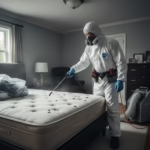

Bed bug control
Bed bug control Kuwait Understanding Bed Bugs Kuwait Bed bugs, scientifically known as Cimex lectularius, are small, wingless insects that. belong to the Cimicidae family. Adults typically measure between. 4 to 5 millimeters in length and have a flat, oval-shaped body that allows them to hide in various crevices. These pests are primarily nocturnal, preferring to feed on the blood of warm-blooded hosts, including humans. Their life cycle consists of several stages: egg, nymph, and adult, with a single female capable. of laying hundreds of eggs in her lifetime. Under optimal conditions, bed bugs can develop from eggs. to adults in as little as 5 weeks, facilitating rapid infests. in both residential and commercial properties. Bed bugs are adept at remaining hidden, often residing within mattresses, bed frames, and other furniture. They can also be found in electrical outlets, behind wallpaper, and in any small crack or crevice nearby sleeping areas. This ability to slip into hard-to-reach spaces makes detection and eradication particularly challenging. Common signs of an infestation include dark spots (bed bug excrement) on sheets,. red itchy welts on the skin,. and the presence of shed exoskeletons. Awareness of these indicators is critical, as early detection significantly increases the likelihood of effective control measures. In Kuwait, the warm climate can. contribute to the prevalence of bed bugs, as high temperatures and humidity levels can create conducive. conditions for their survival and reproduction. Additionally, increased travel to and from the region may facilitate the introduction of bed bugs into new environments. Therefore, it is essential for property owners and occupants in Kuwait. to remain vigilant. and implement preventive measures,. particularly in places like hotels and public transportation, where infestations are more likely to occur. Identifying Bed Bug Infestations Bed bugs are notorious for their elusive nature Kuwait, . Contact us 94013317 making the identification of an infestation crucial for effective pest control. One of the primary signs of bed bug presence is the appearance of bites on the skin, often in a. line or cluster, typically occurring on exposed areas during sleep. These bites can cause itching and discomfort, prompting vigilance in identifying the source. Physical evidence of an infestation is often found in the form. of dark spots on bedding, which may be fecal matter left behind by the bugs. These spots can appear as small brown or black dots. Additionally, shed exoskeletons and even the bugs themselves can sometimes be discovered in and around sleeping areas. Adult bed bugs are small, about the size of an apple seed, and have a flat, oval shape, often hiding in seams. , crevices, and folds of mattresses, box springs, and upholstered furniture. To effectively inspect your living space for these pests, it is advisable to begin with the mattress and box spring. Check for any signs of bed bugs, including live insects and their remnants. Bed frames and headboards should also be thoroughly examined, as these areas often serve as hiding places. Don’t overlook other furniture items, such as chairs and sofas, as bed bugs can spread into various types of household items. In the context of Kuwait, unique challenges arise due to the climate and housing structure. High population density and transient living arrangements often allow for increased bed bug exposure. If signs of bed bugs are observed during your inspections, it may be prudent to seek professional help, especially if efforts to eliminate them on your own have been unsuccessful. Prompt action is vital to preventing a widespread infestation. Preventive Measures Against Bed Bugs Effective bed bug control begins with prevention. To minimize the risk of infestations, homeowners and travelers in Kuwait can adopt several proactive strategies. One significant step is to thoroughly inspect second-hand furniture before bringing it into the home. Bed bugs are often found in used items, such as mattresses, couches, and chairs. It is essential to check seams, folds, and hidden compartments for signs of bed bugs, such as eggs, shed skins, or live insects. For those who frequently travel, there are additional precautions to take. When checking into hotels or guesthouses, it is advisable to conduct a visual inspection of the bedding and furniture. Keeping luggage elevated and away from the bed can help prevent bed bugs from hitching a ride back home. Utilizing protective covers for mattresses and box springs can offer additional layers of defense, as these barriers detain bed bugs and reduce the chance of an infestation. Safe laundering practices play a crucial role in prevention. Washing clothing and bedding at high temperatures can effectively eliminate potential insects. For items that cannot be washed, placing them in a dryer on high heat for at least 30 minutes is beneficial. This method helps to ensure that any hidden bed bugs are killed before they have a chance to reproduce. Community awareness efforts also play an indispensable role in combating bed bugs in Kuwait. Public health campaigns aim to educate residents about identifying and preventing infestations. Collaborating with local authorities, these initiatives reinforce the importance of vigilance and proactive measures. By staying informed and actively participating in community efforts, individuals can contribute to a collective response against bed bugs and reduce the prevalence of these pests in their surroundings. DIY Bed Bug Control Methods Bed bug infestations can be challenging to manage, but various do-it-yourself (DIY) methods offer viable solutions for Kuwait residents. One of the most effective approaches involves applying heat treatments. Bed bugs cannot survive temperatures exceeding 120°F (49°C). Homeowners can utilize heat by placing infested items in a dryer on high heat for at least 30 minutes. This method is particularly beneficial for clothing, bedding, and other fabric items, ensuring that pests are eliminated without the use of chemicals, which may be of concern for some households. Vacuuming is another essential DIY technique in combating bed bugs. Regularly vacuuming areas where bed bugs are likely to hide, such as mattresses, box springs, and bed frames, can help remove both adult bugs and their eggs. It is important to